



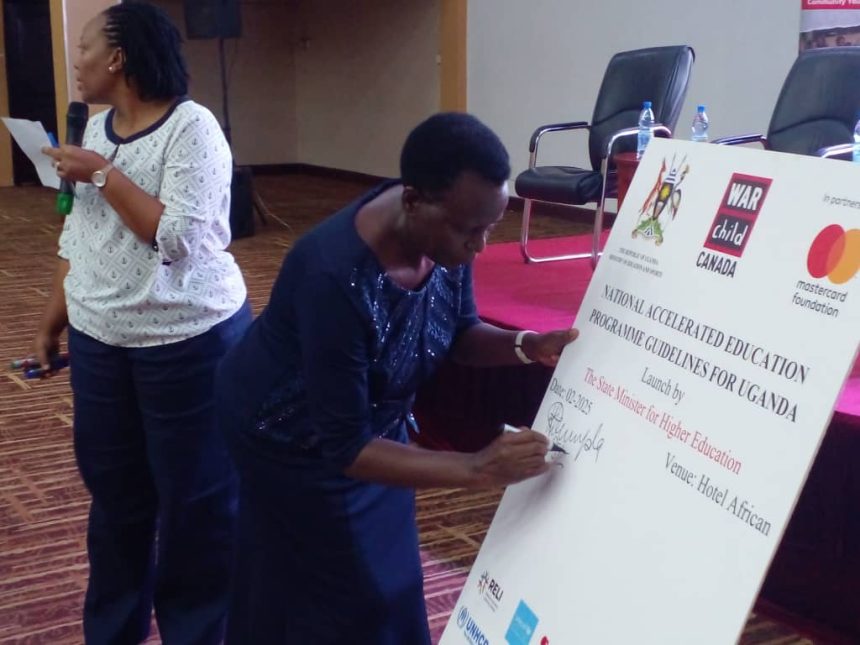
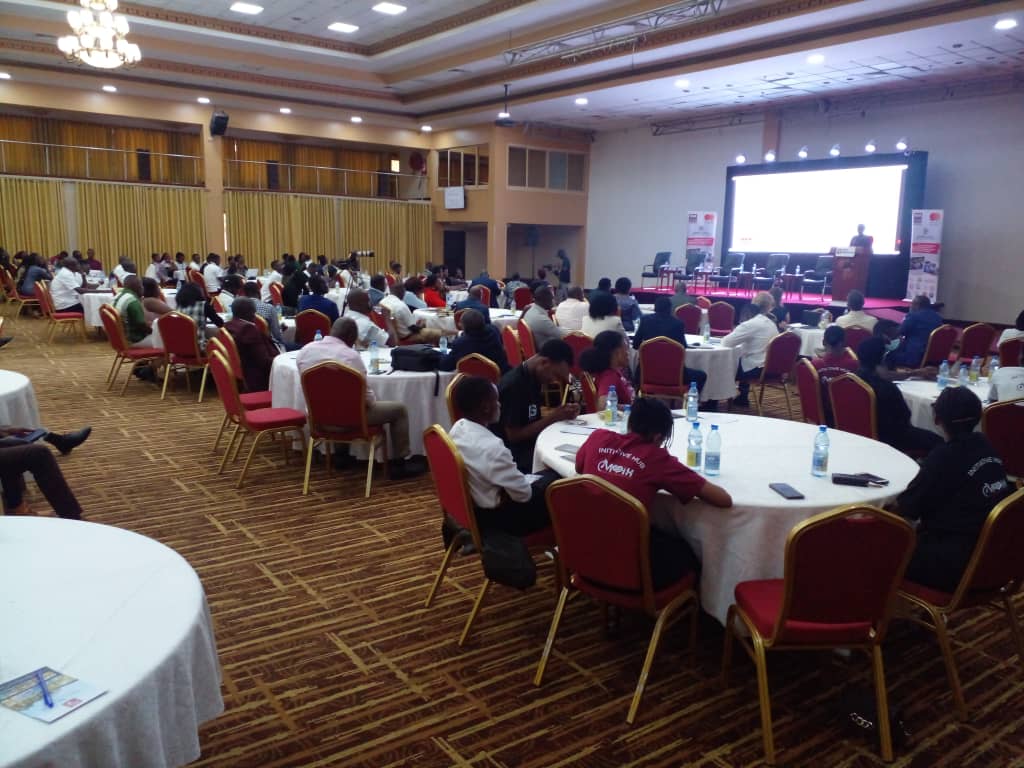
Thousands of refugee and vulnerable Ugandan youth who had dropped out of school are set to benefit from a new accelerated learning program, following the launch of national guidelines and a standardized curriculum developed by War Child Canada in partnership with the Ministry of Education and Sports, and supported by the Mastercard Foundation.
Speaking at the launch, Albert Semenyu, the Country Director of War Child Canada Uganda, said the program, which has been under implementation for the past three years, was designed to give a second chance to young people whose education was disrupted by conflict, displacement, or poverty.
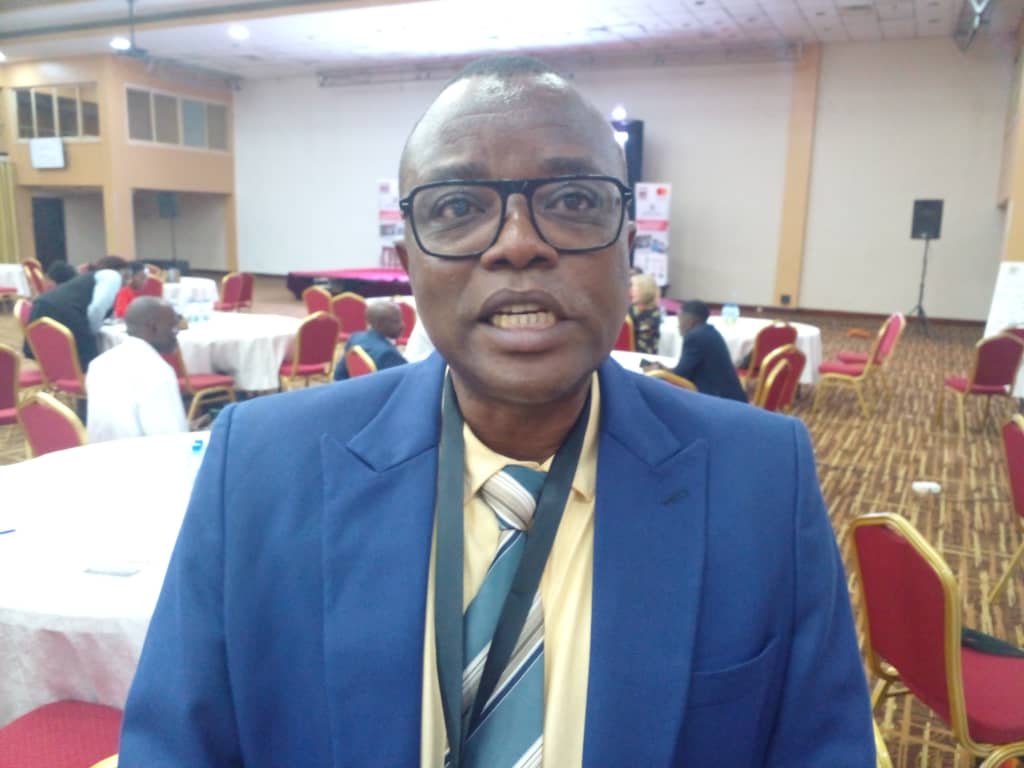
“We have developed a condensed curriculum that allows learners to complete O-Level in just two years instead of four. This curriculum has been approved by the Ministry of Education and is already being rolled out in nine districts that host refugees in West Nile and southwestern Uganda,” Semenyu explained.
The program targets learners between the ages of 18 and 22, many of whom are already parents or have other family responsibilities that prevent them from committing to traditional four-year secondary education. So far, over 2,000 youth have completed the accelerated O-Level curriculum, with 84 percent qualifying to progress to A-Level or vocational training.
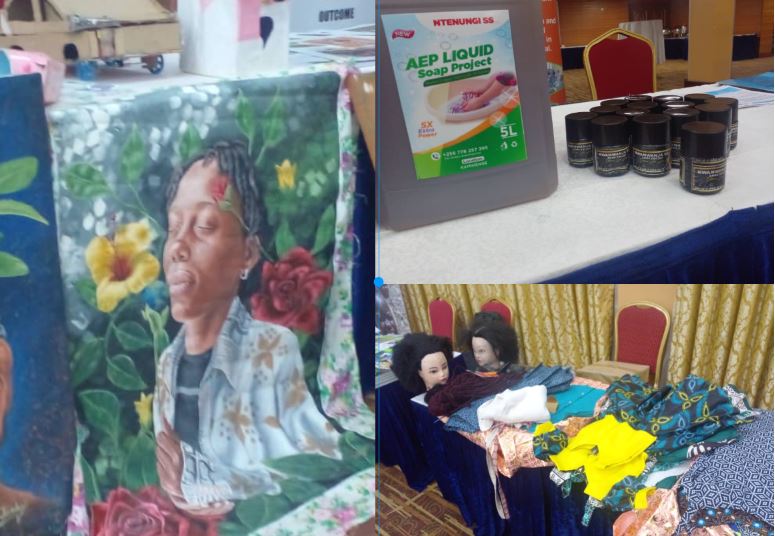
In addition to formal education, the initiative provides scholarships covering tuition, scholastic materials, boarding costs, and vocational training support. More than 2,000 youth have already graduated with technical skills and have started small businesses, while 138 students are currently benefiting from university scholarships.
Semenyu revealed that War Child Canada plans to expand the program significantly:
“Our goal is to reach 35,000 young people in the next two years, helping them re-enroll, complete O-Level, and for the best performers, access higher education opportunities.”
Dr. Kedrace Turyagyenda, the Permanent Secretary at the Ministry of Education and Sports, commended the program as a lifeline for many youth who might otherwise be left behind.
“Most of these young people are very brilliant, but they missed out on school due to circumstances beyond their control. These guidelines will give us a standardized way to support them. If we don’t pick them up, they could become a source of frustration in their communities. But I am confident that with these efforts, they will become productive and useful citizens,” she noted.
Dr. Turyagyenda also applauded the collaboration among multiple stakeholders including the Office of the Prime Minister, UNHCR, UNICEF, Save the Children, and the Uganda National Examinations Board (UNEB), which approved the accelerated curriculum.
The Mastercard Foundation, which funds the program, said the initiative is part of its broader commitment to expanding access to education and skills development for marginalized communities across Africa.
At the launch, representatives from Mastercard Foundation emphasized that investing in education for refugee and vulnerable youth is not only about personal transformation but also about strengthening communities and national development.
The new National Guidelines for Accelerated Education in Lower Secondary will now be used across participating districts to ensure consistency and quality in delivery. With more support, War Child Canada and its partners hope to expand the program to all refugee-hosting districts in Uganda.