



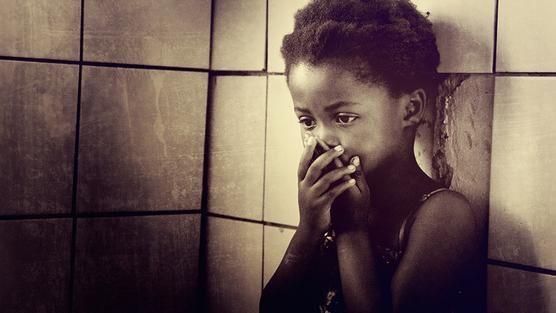
The Uganda Police Force has expressed alarm over the continued rise in child defilement cases across the country, with more than 12,300 cases reported in 2024 alone, according to Assistant Commissioner of Police (ACP) Maureen Atuhaire, head of the Child and Family Protection Department.
Speaking at a recent engagement on adolescent health and child protection, ACP Atuhaire described the statistics as “traumatising,” revealing that 8,240 of the victims were children below the age of 14 — many defiled by parents, teachers, relatives, and domestic workers.
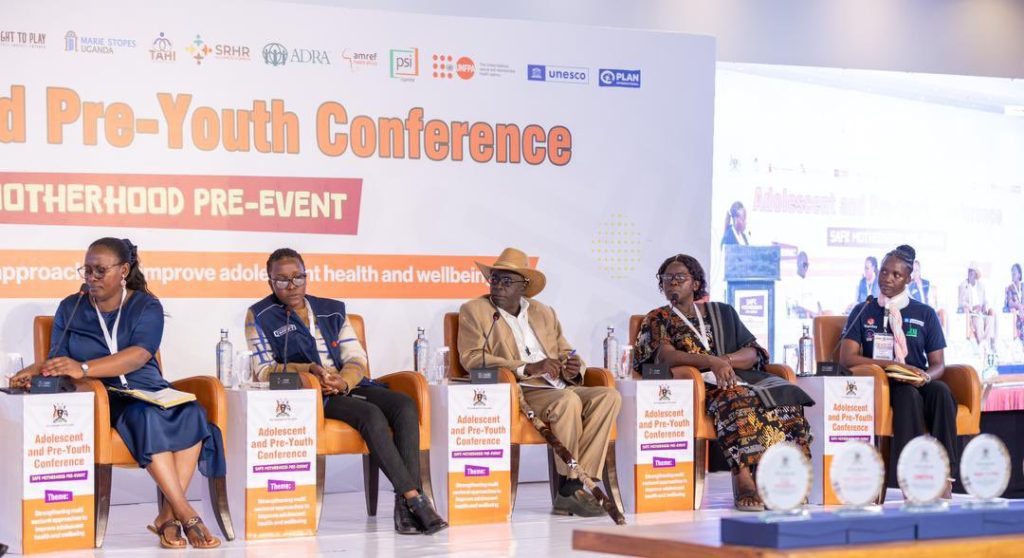
“These are the only cases that reached police. Many more are never reported, as families often choose to negotiate with perpetrators instead of pursuing justice,” she said.
Of the 12,312 reported cases, only 749 convictions were secured, while 54 were dismissed and 2,744 not proceeded with. Atuhaire said such gaps in justice highlight the deep-rooted problem of case withdrawal, delayed investigations, and out-of-court settlements.
“We are seeing parents connive with perpetrators to settle cases outside the justice system. This undermines accountability and denies children the justice they deserve,” she noted.
Atuhaire pointed to regions such as Lango, Teso, Greater Masaka, Wakiso, Ankole, Busoga, Bukedi, Albertine, and Rwenzori as areas with some of the highest incidences of sexual violence.
She attributed the rise in defilement and child marriage to harmful cultural practices and poverty, saying some communities still believe that once a girl starts menstruating, she is ready for marriage.
“These practices not only violate children’s rights but also perpetuate cycles of poverty and poor health outcomes,” Atuhaire said, urging parents to take greater responsibility for their children’s safety.
She further called for stronger collaboration among the police, the Ministries of Health, Gender, and Education, the Office of the Director of Public Prosecutions (ODPP), and community leaders.
“Protecting children is not a police matter alone. Everyone — from parents to religious and cultural leaders — has a role to play,” she emphasized.
Atuhaire concluded by pledging that police would continue working with partners to strengthen investigations, improve evidence collection, and ensure that victims receive both justice and psychosocial support.