



By Stephen Ainganiza – Kabarole
The Uganda Wildlife Authority (UWA) has halted the release of Shs 1.5 billion meant for community development projects around Queen Elizabeth National Park, citing failure by surrounding local governments to account for funds disbursed in the 2023/2024 financial year.
Under its revenue-sharing policy, UWA allocates 20% of gate collections annually to districts bordering national parks and game reserves. The funds support communities that shoulder the burden of human-wildlife conflict—especially those grappling with crop destruction by elephants.
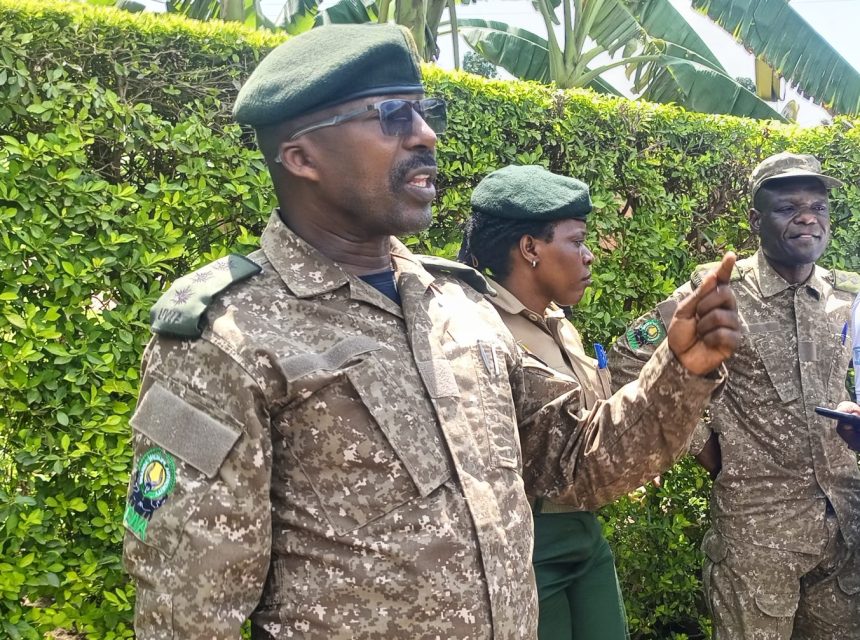
Captain John Tugume, Chief Executive Officer of Queen Elizabeth National Park, said the authority cannot release this year’s Shs 1.5 billion until the eight beneficiary districts fully account for last year’s Shs 1.2 billion.
“We are stuck with Shs 1.5 billion in revenue-sharing funds that were supposed to benefit sub-counties adjacent to the park,” Tugume said during a briefing to District Communication Officers visiting the park. “The districts were expected to receive these funds in July, but accountability gaps have made disbursement impossible.”
The districts under scrutiny include Ibanda, Kasese, Rubirizi, Rukungiri, Mitoma, Kitagwenda, Kanungu, and Kamwenge.
Funds released through district community development offices are expected to support income-generating ventures such as beekeeping, piggery, goat rearing, and dairy farming—projects designed to boost household incomes and compensate affected families.
Tugume stressed that the revenue-sharing scheme is key to strengthening community relations and sustaining conservation efforts. He also noted rising tourism numbers, with Queen Elizabeth National Park receiving 128,608 visitors in FY 2024/2025, up from 90,851 the previous year.
In the same period, the park generated Shs 8.7 billion in revenue, up from Shs 7.7 billion the year before, reflecting strong sector recovery.
He urged district officials to compel Chief Administrative Officers to submit the required accountability so communities can resume long-delayed development projects.