



Mental health experts have issued a stark warning about Uganda’s growing psychiatric burden, citing severe workforce shortages, persistent stigma, underfunding, and an urgent need for specialist training—particularly in forensic psychiatry.
The concerns were raised during the Uganda Association of Psychiatrists (UAP) Symposium, where the country’s senior mental health professionals called for stronger government investment, improved training systems and nationwide awareness to confront an escalating mental health crisis.
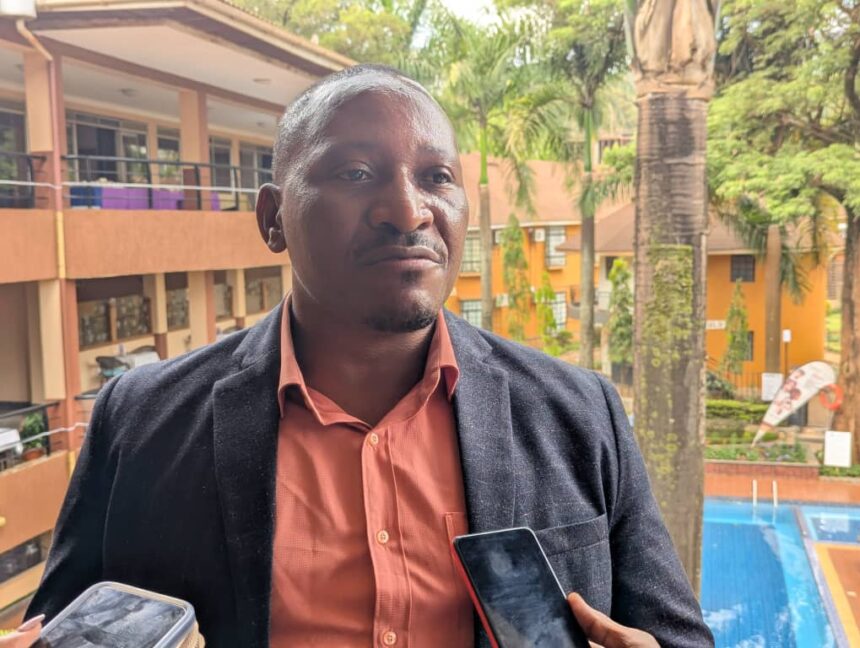
Dr. Hillary Irimaso, President of the Uganda Association of Psychiatrists, said the country’s psychiatrist-to-patient ratio—currently 1:600,000—remains grossly inadequate despite improvements in recent years.
“Four years ago, the ratio was 1 to 1 million. Yes, we are making strides, but not fast enough,” he said. Uganda has 82 registered psychiatrists, but less than half actively work in clinical care due to academic roles, retirement, or migration in search of better opportunities.
Only four of the country’s 17 regional referral hospitals have a psychiatrist. “This affects patient care, access, follow-up and compliance,” Dr. Irimaso noted, adding that mental health demand is rising sharply, driven by a young population facing social stressors such as drug availability, digital exposure, changing parenting patterns and urban pressures.
He called for stronger collaboration between psychiatrists, psychologists, counsellors and social workers, but also emphasized that funding for mental health remains “significantly low.” Even during COVID-19, mental health units were repurposed as isolation wards, exposing systematic stigma against the sector. “If there is no demand, funding will always lag. We need a mentally aware community that can hold leaders accountable,” he said.
Training Gap:High Cost, Low Numbers and Stigma
Prof. Noeline Nakasujja, an associate professor of psychiatry at Makerere University, said the training pipeline remains severely constrained. Although more institutions now offer psychiatry training—including Makerere, Gulu, Mbarara, Busitema and UCU—the postgraduate costs remain prohibitive.

“It costs about 70 million shillings to train one psychiatrist for three years, and the figure is rising,” she revealed. Most trainees depend on sponsorship, which is scarce. The training gap is also historical; Uganda’s psychiatry training began in 1967 with just one or two trainees at a time, and decades of political turmoil further depleted the workforce.
Prof. Nakasujja added that stigma remains a key deterrent. “Stigma affects both patients and the professionals who care for them. Many young doctors hesitate to join psychiatry because society undervalues the specialty.”
Forensic Psychiatry: “Hanging On A Rope“
Perhaps most alarming were the remarks from Dr. Irene Apio, Uganda’s only practicing forensic psychiatrist. “Forensic psychiatry in Uganda is hanging on a rope,” she said. With only one specialist handling cases nationwide, she warned that the country risks a collapse of forensic mental health services.
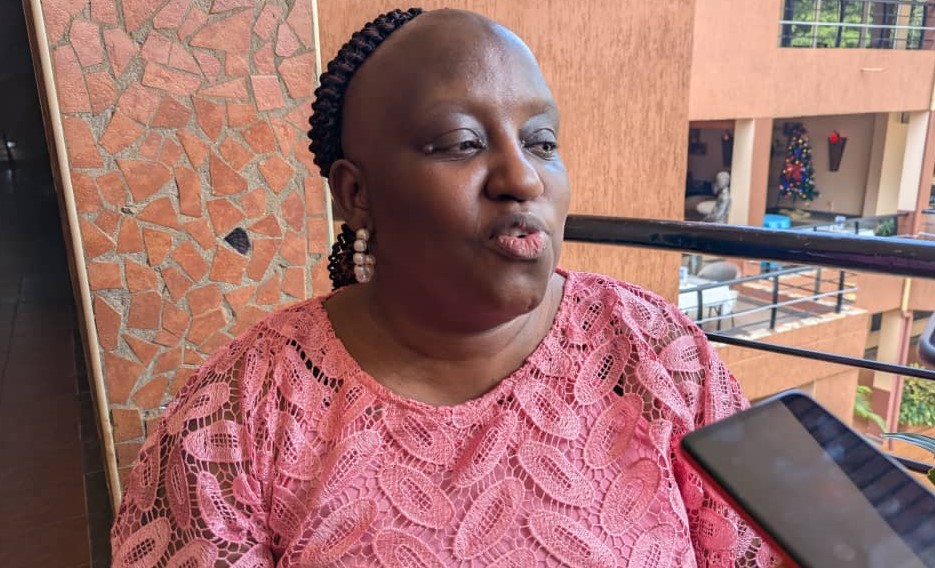
Her unit at Butabika National Referral Hospital receives about 20 offenders with mental illness every month from courts, prisons, police and the community. But the facility lacks basic security infrastructure. “Patients escape, return to the community untreated, re-commit the same crimes and are brought back. It’s a vicious cycle that can be prevented with a secure forensic unit,” she said.
Dr. Apio stressed the urgent need to train at least ten new forensic psychiatrists to ensure continuity as she nears retirement. “We need human resources more than anything else. Without them, this service will crumble.”
The Way Forward
The experts unanimously urged government to prioritise mental health in budgeting, recruitment and infrastructure development. They also called on the media and community leaders to drive public awareness and reduce stigma.
“With Uganda’s young population and rising mental health risks, investing in psychiatry is not optional—it is essential,” Dr. Irimaso said.