



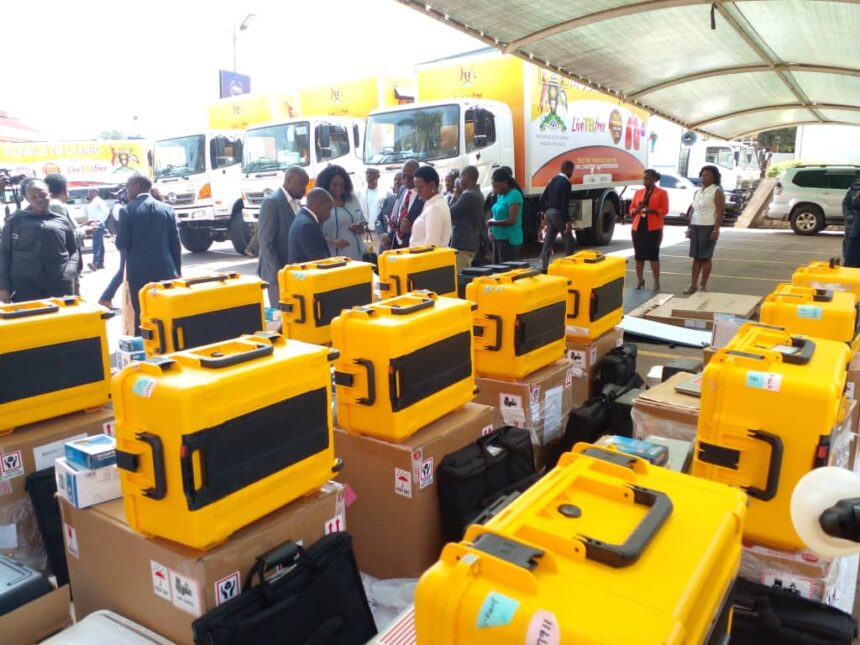
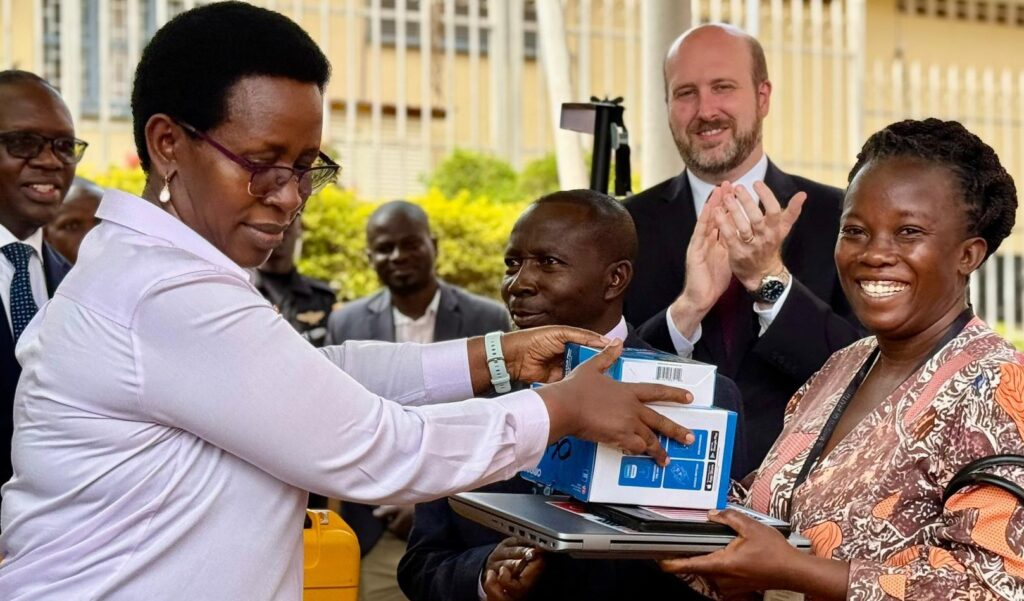
Uganda has taken a significant step forward in its fight against tuberculosis (TB) with the launch of a dual initiative combining mobile TB clinic trucks and ultra-portable, AI-powered digital X-ray machines. The launch ceremony, led by Dr. Diana Atwine, Permanent Secretary of Health, was attended by senior government officials, U.S. Embassy representatives, and health sector stakeholders.
The mobile TB clinics are designed to extend healthcare services to remote and underserved areas, where access to conventional health facilities is limited. Each truck is equipped with medical staff, diagnostic tools, and essential TB medications, enabling on-site testing, treatment, and counseling for patients.
This outreach is particularly important in high-burden areas such as urban slums, prisons, and densely populated rural communities, where undiagnosed TB cases contribute to ongoing transmission. “These mobile clinics will revolutionize TB detection and treatment, ensuring no one is left behind, regardless of their location,” Dr. Atwine said during the flag-off.
Complementing the mobile clinics are 14 ultra-portable digital X-ray systems donated by the United States. The AI-powered machines are capable of real-time analysis of X-ray images, enabling faster and more accurate TB diagnosis. This technology is expected to detect TB cases in their earliest stages, while also identifying other lung conditions such as chronic obstructive pulmonary disease, post-COVID fibrotic changes, and potential malignancies.
By combining mobility with cutting-edge diagnostics, Uganda is expanding access to essential health services and positioning itself at the forefront of innovative TB care in Africa.
The U.S. government, represented at the event by Ambassador William Popp, expressed continued commitment to Uganda’s health sector. “The United States is proud to partner with the Government of Uganda in the fight against tuberculosis,” he remarked.
“This collaboration brings together cutting-edge technology and healthcare infrastructure to address one of Uganda’s most pressing public health challenges. We believe this will make a real difference in the lives of thousands of Ugandans.”
Uganda faces a high TB burden, with over 96,000 new cases reported annually, according to the Ministry of Health, and approximately 250 people falling ill each day. Many cases remain undiagnosed due to limited access to health facilities and low community awareness.
The deployment of mobile clinics and AI-powered X-rays is expected to increase the reach of TB services, with projections suggesting that up to 140,000 additional people could be screened annually.
Previously, patients seeking TB diagnosis at private facilities might spend between UGX 50,000 and UGX 150,000 for X-rays and laboratory tests, excluding travel costs. The new mobile units bring these services to communities at no charge, reducing both financial and logistical barriers for patients.
In addition to TB, the initiative also strengthens detection and care for other lung conditions, reflecting the Ministry of Health’s integrated approach to respiratory health. Mobile clinics are equipped with laboratory equipment, blood sugar and blood pressure monitoring tools, and solar-powered systems to ensure functionality even in areas without reliable electricity.
This ensures continuity of services and real-time results, helping patients receive timely care without the delays often associated with referrals to distant hospitals.
Dr. Atwine reiterated the call to action for Ugandans to participate actively in TB prevention and treatment. “Together, with innovation and collaboration, we can eliminate tuberculosis and build a healthier Uganda for all,” she urged.
This initiative highlights the importance of technology, international partnerships, and community-centered approaches in tackling public health challenges.
With the mobile clinics now embarking on their nationwide mission, Uganda is poised to make substantial progress toward TB elimination, improve lung health, and relieve the financial burden on patients who previously faced costly and inaccessible diagnostic services.