



Civil society organisations have intensified calls for the protection of digital rights, warning that internet disruptions and online discrimination are directly undermining Uganda’s HIV response and public health systems.
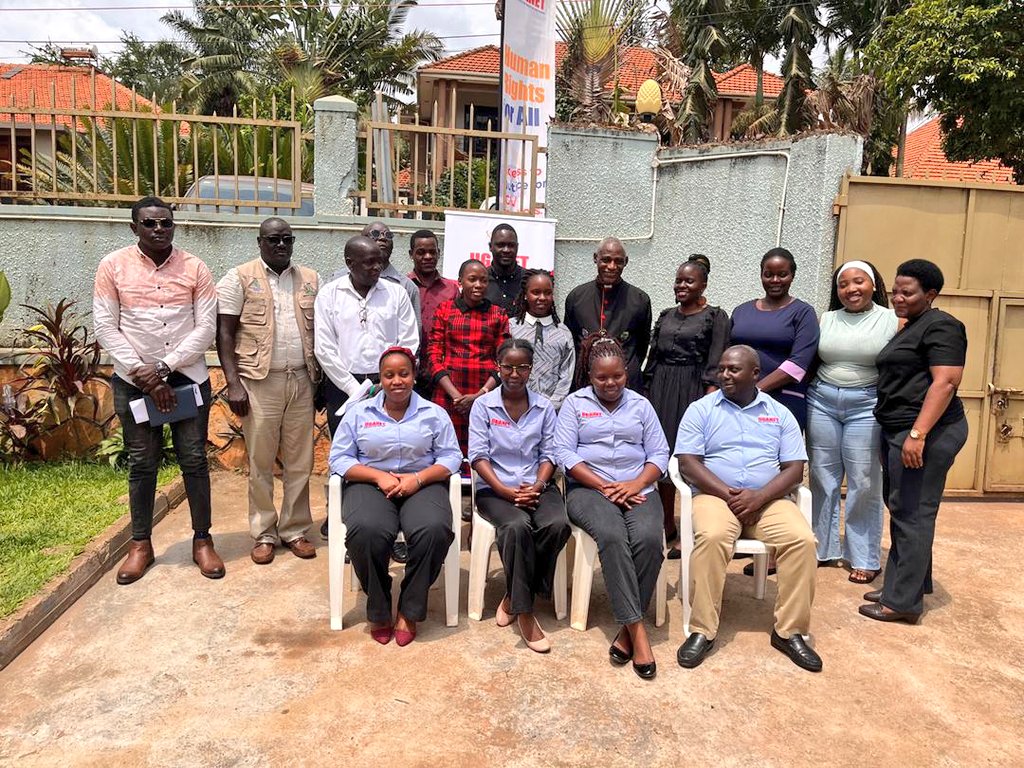
During a press conference organised by Uganda Network on Law, Ethics and HIV/AIDS(UGANET) to mark Zero Discrimination Day, activists unveiled a joint position paper under the theme “Zero Discrimination Beyond Borders: Safeguarding Digital Rights, Public Health and Inclusive Governance.” The message was clear: in today’s Uganda, digital access is inseparable from the right to health.
Laura Angel Kyakunzire, Advocacy Officer at UGANET, said internet shutdowns, digital rights violations and punitive laws disrupted HIV service delivery and disproportionately affecting people living with HIV and other marginalised communities.
“Internet shutdowns and digital violations do not strengthen society,” she said. “They weaken public health systems and erode trust. Health equity requires rights, and inclusion requires action.”
In line with the global call by Joint United Nations Programme on HIV/AIDS, ending discriminatory laws and practices is essential to safeguarding dignity and ensuring continuity of care.
A representative from National Forum of People Living with HIV/AIDS Networks Uganda said Uganda’s ongoing transition to fully digital health records has made reliable internet connectivity central to service delivery. The Ministry of Health is phasing out hard-copy systems and integrating facilities into centralised data platforms.
“When these systems are interrupted in any way, clients are requested to go back home,” he said. “If your details are not entered into the system, you will not receive service that day.”
Although comprehensive statistics are still being compiled, civil society actors said they received multiple calls from individuals who failed to access medication or follow-up appointments during recent internet disruptions. Some facilities reportedly struggled with unstable connectivity even after official assurances that health services would remain unaffected.
Rev. Canon Gideon Byamugisha urged policymakers to view internet shutdowns not as isolated technical events but as governance decisions with human consequences. He cited Ministry of Health data showing nearly 200,000 people living with HIV are lost to care, while about 80,000 are struggling with adherence—even in urban areas such as Kampala and Masaka where services are available.
“How come services are available, but people are not utilising them?” he asked. “Could stigma and discrimination be part of it? And now that stigma is appearing online, it is going to be worse.”
He warned that digital spaces, while powerful tools for information-sharing, can also amplify prejudice. Public speculation about individuals’ HIV status on social media, he said, fuels fear and discourages people from seeking treatment.
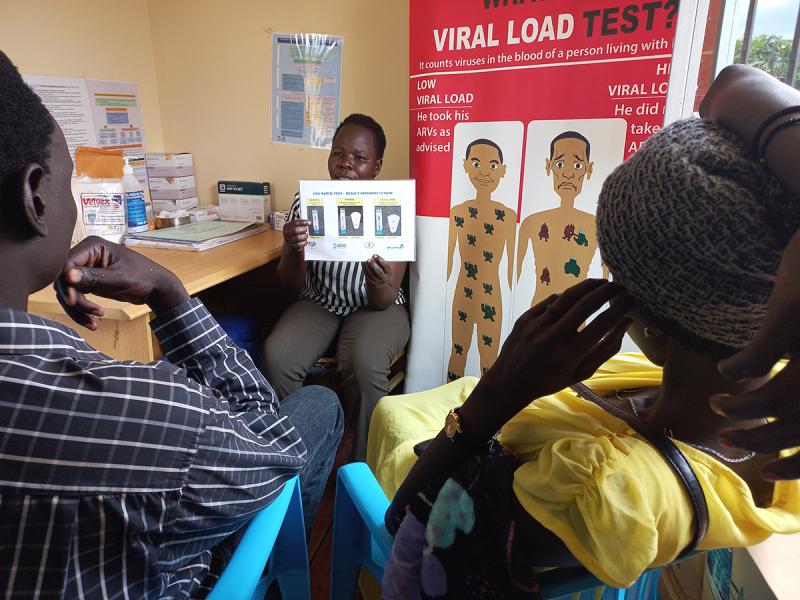
Activist Moses “Supercharger” Nsubuga highlighted the highly digitised nature of HIV care. Viral load samples collected nationwide are sent to the Central Public Health Laboratories, with results transmitted electronically back to facilities. Young people on treatment—estimated in the hundreds of thousands—often rely on weekly phone reminders to maintain adherence.
“When you shut down the internet, that service goes down,” Nsubuga said. “Our treatment is different from other treatments. Communication is part of the medicine.”
Beyond clinical systems, speakers emphasised the importance of online communities of care. WhatsApp groups and digital peer networks provide counselling, encouragement and shared experiences, especially for individuals who have just tested positive.
“Imagine someone who has just received a positive result and cannot reach a friend or counsellor because the internet is off,” one speaker noted. “For marginalised communities, our suffering is not the same as everyone else’s.”
Civil society groups are now calling for policy alternatives that protect national interests without disrupting essential digital infrastructure. They argue that inclusive governance requires assessing how decisions—particularly those affecting connectivity—impact the most vulnerable.