



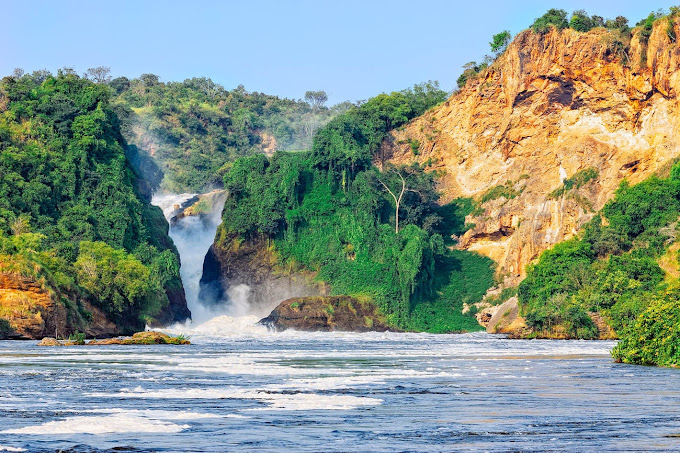
Leaders from districts surrounding Murchison Falls National Park have been urged to prioritize conservation and sustainable tourism as part of renewed efforts to protect the ecologically rich Murchison Falls–Albert Delta Wetland System—one of Uganda’s most important biodiversity and travel destinations.
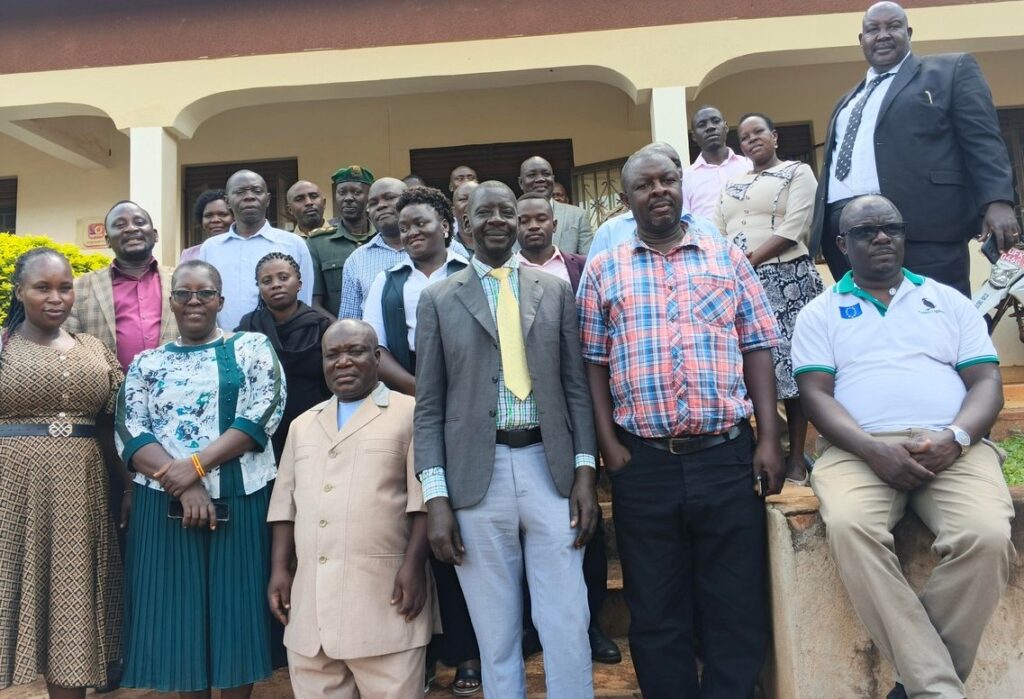
The call was made during a high-level stakeholders’ meeting held in Masindi, bringing together leaders from Masindi, Kiryandongo, Pakwach, Nwoya, and Buliisa districts. The meeting focused on reviewing and updating the wetland management plan for the Ramsar-listed delta, a critical ecosystem that feeds into the wider Murchison tourism circuit.
Achilles Byaruhanga, Executive Director of Nature Uganda, emphasized that the wetland system is a cornerstone of Uganda’s nature-based tourism. He noted that the delta hosts diverse bird species, wildlife, and fish populations that attract both domestic and international tourists.
“The Murchison Falls–Albert Delta is not just an ecological asset but a tourism powerhouse,” Byaruhanga said, adding that Uganda’s tourism industry heavily depends on biodiversity. “Protecting these habitats ensures sustained visitor experiences and long-term economic benefits.”
He highlighted that the updated management plan includes strategic priorities such as habitat protection, public awareness campaigns, and strengthening institutional capacity. District leaders were urged to integrate these strategies into local development and tourism plans to ensure coordinated conservation efforts.
According to Danale Businige, the Western Region Wetlands Coordinator, Uganda’s wetlands cover approximately 13.9% of the country’s surface area, with the central region having the largest share. However, he warned that degradation—particularly in the eastern region—poses increasing risks to the country’s ecological balance and tourism potential.
Businge cited limited funding, inadequate human resources, and insufficient data for informed decision-making as key challenges affecting wetland management. “Without proper investment and data, conservation efforts cannot effectively support tourism growth,” he noted.
From a private sector perspective, Liliana Kampango of TotalEnergies reaffirmed the company’s commitment to environmental stewardship. She highlighted ongoing biodiversity protection initiatives in the Bugungu savannah landscapes, forest reserves, wetlands, and the delta ecosystem.
“Our focus is on restoring and protecting wildlife habitats, ensuring that tourism and development can coexist sustainably,” Kampango said, calling for stronger collaboration between districts, conservation agencies, and investors.
The Murchison Falls–Albert Delta, recognized under the Ramsar Convention, remains a vital tourism and conservation asset. Stakeholders believe that with improved management and coordinated leadership, the region can strengthen its position as a premier eco-tourism destination in East Africa while safeguarding its natural heritage for future generations.