



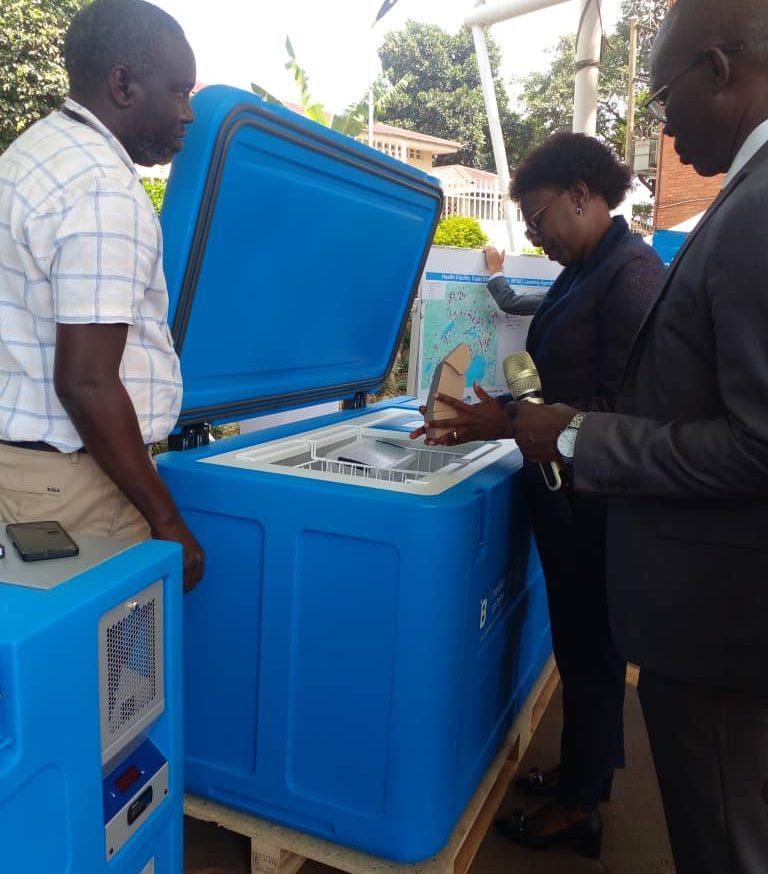
Uganda has officially launched a nationwide solar electrification initiative targeting 250 health facilities, marking a major milestone in the country’s push to strengthen immunization systems and improve access to essential health services.
The project, supported by Gavi, the Vaccine Alliance, and a consortium of global partners, was unveiled Thursday by Minister of Health Dr. Jane Ruth Aceng alongside Dr. Lucy Mazyanga, Africa CDC Regional Director for Eastern Africa.
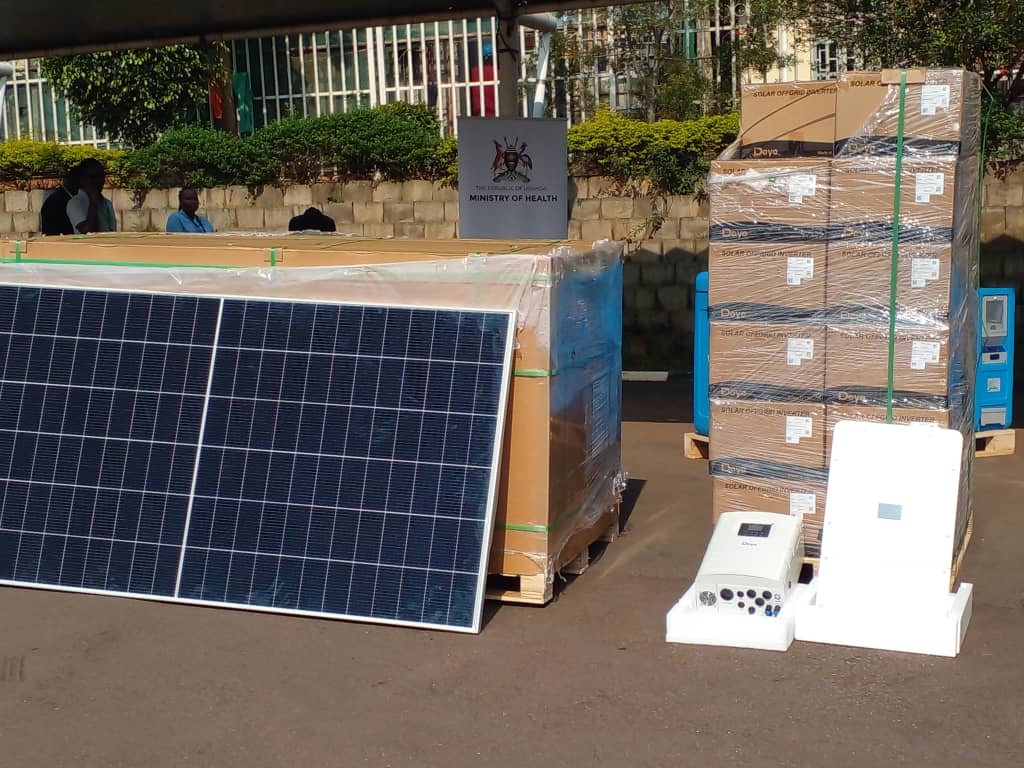
Speaking at the flag-off event in Kampala, Dr. Mazyanga emphasized the power of partnerships in achieving equitable health outcomes across the continent. “This event marks an important milestone in our collective effort to strengthen immunization systems and advance health equity,” she said.
“The solar equipment being handed over is more than hardware—it’s a symbol of our shared commitment to ensure no child or community is left behind.”
The Health Facilities Solar Electrification Project is an innovative pilot under Gavi’s Cold Chain Equipment Optimization Platform (CCEOP). The initiative will deploy solar photovoltaic systems to health center IIIs and IVs across Uganda. These systems will not only power cold chain equipment for vaccine storage but also support lighting, diagnostics, and emergency maternal care, especially in underserved and remote regions.
“This timely intervention will improve immunization services and broader health service delivery,” said Dr. Aceng. “It ensures that even the most remote health centers can provide uninterrupted medical care, including emergency obstetric care and laboratory diagnostics.”
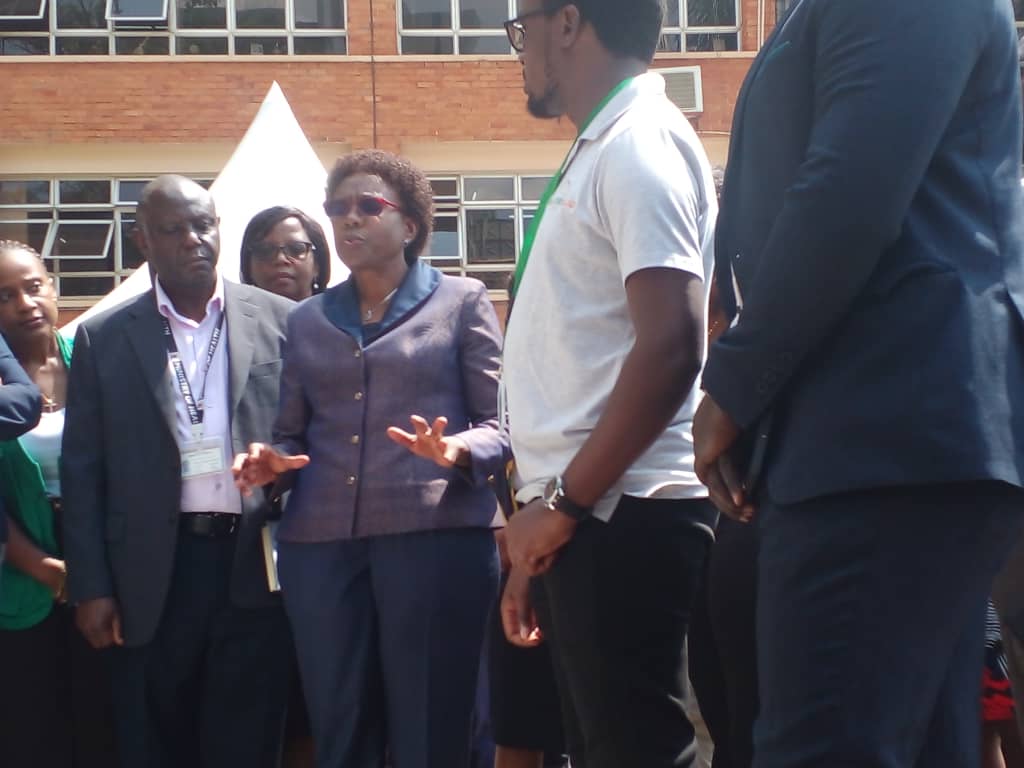
Dr. Aceng also clarified that the solar systems installed differ in capacity, depending on the number of batteries and technical configurations, but all serve the same goal—ensuring consistent power supply.
Beyond health outcomes, the project is also expected to reduce carbon emissions significantly. Across four pilot countries—Uganda, Pakistan, Zambia, and Ethiopia—the project will cut an estimated 120,257 tonnes of CO₂ over the next 20 years, replacing diesel generators with clean, renewable energy.
Gavi and its partners, including WHO, UNICEF, PATH, and Clinton Health Access Initiative (CHAI), will fund operations and maintenance for the first two years. After that, Uganda will take full ownership. Dr. Aceng urged local teams to familiarize themselves with system operations to ensure sustainability once donor support ends.
“This is how we turn the vision of equity into action,” said Dr. Mazyanga. “When we work together, we deliver more than equipment—we deliver trust, resilience, and hope.”
The equipment will be distributed immediately, with full installation expected by December 2025. The Ministry of Health reaffirmed its commitment to equitable distribution, prioritizing facilities currently without reliable power.