



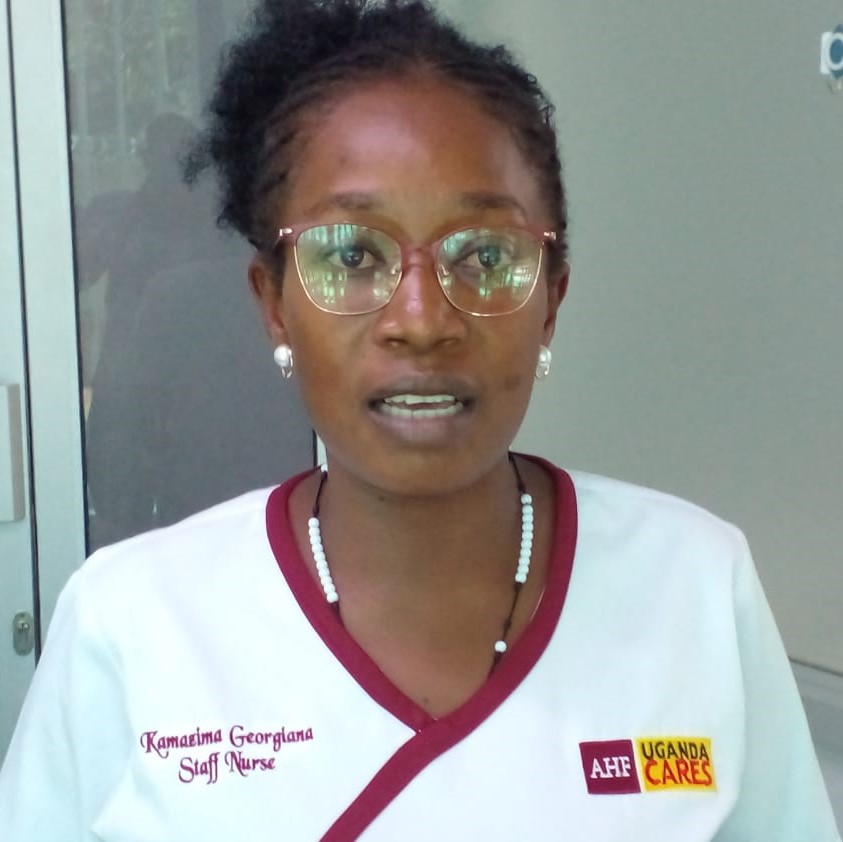
Health workers are warning that misconceptions about condoms and a heavy focus on HIV prevention are driving rising cases of sexually transmitted infections (STIs), particularly among young people.
Kamazima Georgiana, a nurse at AHF Uganda Cares,Kitante Wellness Centre, says many clients who visit the facility are primarily concerned about HIV, often overlooking other infections such as gonorrhoea, syphilis and chlamydia.
According to Kamazima, decades of HIV awareness campaigns in schools, churches and communities have made the disease widely recognised compared to other STIs.
“People have grown up hearing about HIV everywhere. When you ask them about gonorrhoea or chlamydia, most know very little,” she said.
She noted that although condoms provide triple protection against HIV, unwanted pregnancies and other STIs, many people avoid using them because they believe sex without a condom provides greater pleasure.
“Some say they want the ‘real feeling’, so they choose unprotected sex. Others rely on family planning methods to prevent pregnancy or believe they can simply use HIV prevention drugs such as PEP if they are exposed,” she explained.
However, Georgiana warns that such decisions often ignore the risk of contracting other infections.
“Family planning methods only prevent pregnancy. They do not protect against infections like gonorrhoea, syphilis or chlamydia,” she said.
At Kitante Wellness Centre, Georgiana estimates that about 35 clients seek sexual health services daily, most of them aged between 18 and 25.
“The most common infections we see are gonorrhoea, syphilis and chlamydia. Many people come when symptoms appear, especially men because the symptoms show faster,” she said.
Beyond the health risks, Georgiana emphasised the economic cost of unprotected sex.
While condoms can cost as little as Shs1,000 in pharmacies—and are often distributed free in public health programmes—treating a single STI can be significantly more expensive.
She estimates that in many health facilities, consultation alone can cost between Shs20,000 and Shs50,000. Laboratory tests may add another Shs15,000 to Shs20,000, while medication can cost up to Shs100,000.
“In total, a patient may spend close to Shs200,000 to treat a single STI,” she said.
Because many people cannot afford the full treatment, some take incomplete medication or delay seeking care, which can worsen the infection and lead to long-term complications.
Poorly treated STIs, she warned, can result in infertility among women and erectile dysfunction among men.
Georgiana called for intensified public education about STIs beyond HIV, arguing that increasing awareness about prevention, regular screening and condom use could help reduce infections and protect young people from avoidable health and financial costs.